ECTS-Kyowa Kirin Maria Luisa Bianchi Award
Nominations period: nominations are open till 15 December 2025
In memory of Professor Maria Luisa Bianchi, who sadly passed away in 2020, ECTS would like to remember and honour Maria Luisa during its annual congress by introducing an annual Maria Luisa Bianchi Clinical Research Award on Rare Bone Diseases. This award is supported by Kyowa Kirin International.
The recipient of this award will give a lecture at the annual meeting and receive a grant of 10,000€ to be paid into the recipient’s institution or university account to contribute to specific research expenses.
About Maria Luisa Bianchi
Maria Luisa was an internationally recognised expert in the field of paediatric and rare bone diseases, who was actively involved in research, education and patient care. Her clinical research activities focused on paediatric metabolic bone diseases, endocrinology and steroid treatment side effects. She developed studies on cystic fibrosis, Duchenne’s muscular dystrophy, glycogen storage disease type 1, celiac disease and more. She was an active and regular contributor to the ECTS congress for many years, member of the ECTS Board of Directors and member of the ECTS Rare Disease Action Group.
Eligibility
This award is open to medical doctors who have made significant progress and contribution to the field of clinical rare bone disease research.
ECTS Board members are not eligible to this award during term of office in the ECTS Board.
Nomination Procedure
Nominations are open till 15 December 2025
Nominees must be nominated and seconded by ECTS members, using the online form.
Review Procedure
All nominations are reviewed by an independent panel of reviewers. The final decision is based on the marks and comments from the reviewers and any conflicts of interest are identified and dealt with appropriately. The ECTS Grants and Awards Committee and ECTS Board will make the final decision based on scores and comments by the reviewers.
Presentation and Announcement of the Award
The award will be presented at the Welcome Remarks during the Annual Congress. A dedicated session will also be held during which the awardee will give a lecture. The award winner will also be announced through the ECTS communication channels.
Financial Support
This award programme is supported by Kyowa Kirin International in the form of an educational grant. The selection process will not be influenced in any way by its sponsor.

Winner of the 2025 Maria Luisa Bianchi Award
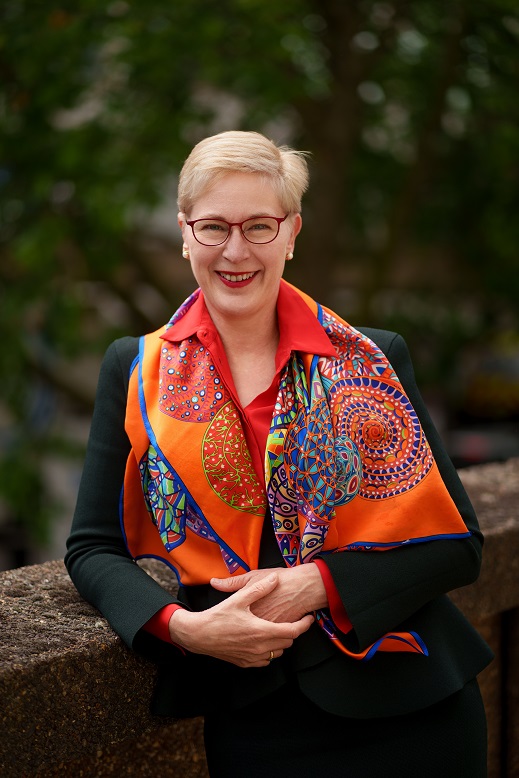
Congratulations to Emma Duncan, Professor of Endocrinology, Honorary Consultant, Guy’s and St Thomas’ NHS Foundation Trust, UK recipient of the 2025 Maria Luisa Bianchi Award. The award was presented during ECTS 2025 Congress in Innsbruck
This year, the recipient of the Maria Luisa Bianchi Clinical Research Award on Rare Bone Diseases is Professor Emma Duncan.
Professor Duncan is a highly deserving recipient of this esteemed award, which recognizes the clinical and research legacy of Dr. Maria Luisa Bianchi in the field of rare bone disorders.
With over a decade of groundbreaking work, Professor Duncan has been at the forefront of advancing our understanding of rare bone diseases. Her pioneering research exemplifies how the application of sequencing technologies has revolutionized the identification of genetic causes behind rare bone conditions, such as anauxetic dwarfism, osteogenesis imperfecta, multicentric carpotarsal osteolysis (MCTO), and various other skeletal dysplasias. This work has highlighted new treatment options, both for people with rare skeletal dysplasias, and for people with other bone diseases such as osteoporosis.
Professor Duncan is a distinguished Clinical Endocrinologist, based at King’s College London, and an Honorary Consultant Physician at Guy’s and St Thomas’ NHS Foundation Trust. The European Calcified Tissue Society (ECTS) has been instrumental disseminating her transformative work across the global bone research community, from clinicians to basic scientists.
Beyond her impactful publications, Professor Duncan’s research has had a profound influence on clinical practice, demonstrating the critical role of clinician-scientists in enhancing the care of patients with rare bone diseases.