We are pleased to offer a new elearning opportunity with a series of webinars on Rare Bone Diseases, starting on 20 October.
>> More info
Ecstoc.org
We are pleased to offer a new elearning opportunity with a series of webinars on Rare Bone Diseases, starting on 20 October.
>> More info
Vitamin D is known as “sunshine vitamin,” and exposure to sunshine is recommended to stimulate vitamin D production in the skin. Thus, it is interesting to examine vitamin D status in populations living in tropical climates with abundant sunshine. In this context, there is a recent study on 25(OH)D levels in older adults in Hawaii, reporting that more than a third of the older population is “deficient or insufficient” in vitamin D, despite living in one of the areas with abundant sunshine. The study showed that mean serum 25(OH)D levels in 55–65-year-old individuals were overall sufficient (34.3 ng/mL); however, nearly 40% of the participants had vitamin D “deficiency/insufficiency” defined as 25(OH)D level <30 ng/mL.
We asked Prof. Roger Bouillon from Catholic University of Leuven, a leading expert in vitamin D, to comment on these apparently counterintuitive findings: “The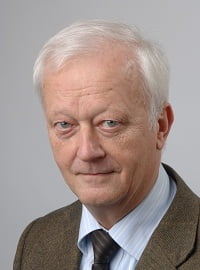 Hawaii study on vitamin D status conveys a few important messages. First, the mean oral intake of vitamin D in Hawaii is well below 5 µg per day and thus largely insufficient to generate a healthy vitamin D status. This is very similar to the situation in North America and Europe. Therefore, most of the vitamin D comes from endogenous synthesis and requires exposure of the skin to UVB light. Therefore, it is no surprise that in the Northern as well as in the Southern hemisphere the highest 25(OH)D concentrations are found in summertime. One notable exception is the Middle East as so many people avoid all exposure to sunlight in the extremely hot summertime that the highest levels are found in their ‘winter’ time. Second, the authors conclude that one third of the Hawaiian population is confronted with ‘vitamin D deficiency/insufficiency.’ I do not agree with that interpretation as vitamin D deficiency is usually defined by 25(OH)D values below 20 ng/ml by most guidelines (Bouillon 2017) including the recent consensus ECTS document (Lips et al 2020). Only about 7% of the Hawaiian population lives with such low concentrations in summertime and no Whites or native Hawaiians have such low levels (only Filipinos with darker skin have such low levels). In the US, about 5% of the population has such low levels, whereas much higher percentages are found in Western Europe or even Africa (especially North and South Africa). The Endocrine Society defined serum 25(OH)D levels between 20 and 30 ng/ml as ‘insufficiency’ but there are surprisingly few arguments for health consequences of such ‘insufficiency.’ Therefore, the Hawaiian study confirms the essential role of sunlight for an adequate vitamin D status but the authors largely exaggerate the assumed poor vitamin D status.”
Indeed, on the example of the recent case study on vitamin D status in Hawaii, Prof. Bouillon reminded us to read literature critically with regard to the used definitions and thresholds of vitamin D deficiency, and gave us valuable hints on the risks of erroneous and oversimplified interpretations related to the vitamin D status, thereby further justifying the need to talk about the vitamin D topic over and over.
The EU-funded Innovative Training Network FIDELIO (https://www.fidelio-project.eu) aims to
train the next generation of scientists in order to tackle the challenges of diabetic bone
disease from various angles and with the newest technologies available. Interdisciplinary
training and implementation of innovative approaches are key. Within this consortium, we will
comprehensively unravel the genetic and environmental mechanisms that contribute to bone
fragility in diabetes, identify predictors and clinical markers for patient stratification, decipher
the underlying molecular mechanisms of bone fragility in diabetes, and establish potential
interventions through a personalised medicine approach.
The research programme will address different aspects of diabetic bone disease from the
viewpoints of epidemiology, genetics, miRNAs, microbiome, bone biology, bone
biomechanics and microstructure, preclinical and clinical research. It will utilise advanced
imaging and computational approaches, diabetes mouse models and access to clinical
cohorts and registry data to obtain a comprehensive overview of how these mechanisms
combine in diabetes to cause increased fracture risk.
With this interdisciplinary approach, we can explore the impact of biological pathways in
mouse models and/or humans, and interactions with diet, exercise and other exposures.
Collaborations with industry will allow early identification of IP, access to state of the art
technologies, and will complement the academic ESR training programme with
entrepreneurship and industrial mentoring.
The Universitaetsklinikum Hamburg-Eppendorf (UKE) is one of Europe s most modern
clinics. Here specialists from all fields of medicine and life sciences are brought together
under one roof. State-of-the-art medical technology, innovative information technology, and
architecture created with the provision of medical care at the forefront, all with the aim of
optimally supporting doctors, nursing staff, and therapists. With a strong focus on research,
ideal conditions for the interlinkage between modern medicine, translational research, and
teaching are found at the UKE. More than 11,000 employees work around the clock with the
singular aim of providing the best medical care to our patients. Webpage:
https://www.uke.de/english/index.html
The Heisenberg Research Group (Busse lab) at the Department of Osteology and
Biomechanics focusses on bone quality assessment. Basic, translational and clinical
research is performed on multiple aspects of musculoskeletal health. Webpage:
https://www.uke.de/english/departments-institutes/institutes/osteology-andbiomechanics/
index.html
The Busse lab has expertise in osteoporosis, musculoskeletal disorders, bone matrix
quality analysis, high-resolution imaging and biomechanical testing. The group consists
of an international, multidisciplinary team with backgrounds in the fields of biology, chemistry,
physics, medicine, bioengineering and computational analysis all working together to address
key questions in musculoskeletal health.
Your PhD project:
The candidate will focus on bone strength in diabetic bone with the help of computational
models. The project will involve the following tasks: i) investigate how microdamage, crosslinking
and bone porosity affect bone quality in diabetes. Therefore, the ESR will work on
biomechanical testing as well as micro-CT imaging of bone specimens. ii) The candidate will
work on the development of a micro-FE model incorporating matrix properties to predict
fracture risk in diabetic bone. Therefore, the candidate will also focus on data obtainment
from murine diabetes models (collaboration with the University of Dresden, Germany). iii)
The candidate will work on the development of a qCT-based FE model incorporating crucial
bone quality factors utilizing data from human diabetic cohorts and age-matched controls in
order to build and validate clinical FE models.
Secondments:
You will embark on secondments to other FIDELIO partners (SCANCO (CH), ETH (CH), IBM
(CH); UCBM (IT) or SDU (DK)) to access experimental models and tools or receive additional
training from experts in the field. This will include a focus on computational models and
methods, high-resolution image processing and micro-FE modelling. Further, code
optimisation and/or acceleration of computation as well as testing FE models using
prospective or retrospective fracture data. Total secondment time is 5 months.
Benefits of working in an ITN:
– You will be working within our international, interdisciplinary team of >30 researchers
with experience in a broad range of sciences.
– You will get in contact with the other members of this international consortium and will
benefit from the joint training platform to develop skills necessary for developing a
thorough understanding of the mechanisms of diabetes and the bone metabolism and
for obtaining industry skills.
In addition:
H2020 MSCA Mobility Rule: researchers must not have resided or carried out their main
activity (work, studies, etc.) in the country of the host organization (Germany) for more than
12 months in the 3 years immediately before the recruitment date. Compulsory national
service, short stays such as holidays, and time spent as part of a procedure for obtaining
refugee status are not taken into account.
Eligible researchers must not have spent more than 12 months in the 3 years immediately
prior to the date of selection in the same appointing international organisation.
H2020 MSCA eligibility criteria: Early Stage Researchers (ESRs) must, at the date of
recruitment by the host organization, be in the first four years (full-time equivalent research
experience) of their research careers and have not been awarded a doctoral degree. Full-
Time Equivalent Research Experience is measured from the date when the researcher
obtained the degree entitling him/her to embark on a doctorate (either in the country in which
the degree was obtained or in the country in which the researcher is recruited, even if a
doctorate was never started or envisaged).
Please find additional information in the Information package for Marie Curie fellows
Interested candidates are invited to apply online at https://www.fidelio-project.eu/contact/.
Expected start date: August 2021
More information can be found on https://www.fidelio-project.eu
We in the FIDELIO consortium value diversity and we commit to equal treatment of all
applicants irrespective of gender, sexuality, health status as well as social, cultural or
religious background.
For additional information about the research project and this individual position, please
contact:
Prof. Dr. rer. medic. Bj rn Busse
E-Mail: b.busse@uke.de
Department of Endocrinology, University Hospital of Odense, Odense, Denmark invites applications for a PhD position to study: The role of circulating and bone tissue microRNAs in the pathogenesis of type 2 diabetic bone fragility. The position is available for 3 years. The starting date is in summer 2021.
Job description
The project aim is to study the pathophysiology of bone fragility observed in patients with type 2 diabetes that leads to increased risk for fracture. Specifically, we will examine whether bone and circulating microRNAs (miRNAs) and miRNA signatures can serve as diagnostic and prognostic biomarkers for the severity of diabetic bone disease We will also identify miRNAs that play a role in the pathogenesis of diabetic bone disease.
The PhD fellowship is provided by the NovoNordisk foundation and it is a collaboration between the Steno Diabetes Centers of Odense and Alborg, iNANO center at the University of Aarhus and the Center for Musculoskeletal Biology and Medicine, University of California San Francisco (UCSF).
The primary workplace will be the Molecular Endocrinology and Stem Cell Research Unit at the Department of Endocrinology, Odense University Hospital which constitutes an international, ambitious, highly dynamic, and well-equipped working environment. The Unit has access to clinically relevant patient material and state-of-the-art facilities for stem cell phenotyping, flow cytometry, bioimaging, immunohistochemistry and transgenic mouse work. Part of the PhD will take place at UCSF, San Francisco, USA.
As a PhD student you will receive training both in molecular as well as in clinical/translational research: you will learn molecular biology technologies for isolation, characterization and studying the function of miRNA in vitro and in vivo. In addition, you will be trained in using in vivo assays of ectopic bone formation and will work with murine fracture models. You will also learn how to integrate biological data with clinical patient characteristics. During the US stay, you will learn different in vivo human bone imaging modalities such as high resolution peripheral quantitative computed tomography (HR-pQCT), and quantitative computed tomography (QCT). You will learn assessment of human volumetric bone density, bone microarchitecture, geometry and strength by using semi-automated contouring methods and by applying standard and extended cortical analysis techniques to existing HR-pQCT- and QCT-image datasets. In addition, you will receive training in clinical data collection and clinical data management, as well as clinical statistical training.
Qualifications
We are looking for highly motivated, dedicated and ambitious scientists with:
• An undergraduate Master degree in Life or Medical Science, Molecular Biology, Biochemistry, Biomedicine or Endocrinology
• Documented expertise in cell biology and basic molecular biology technologies is an advantage.
• Good communication and collaborative skills and an interest in working in an interdisciplinary environment
• Proficiency in spoken and written English
For further information about the position, please contact: Dr. Moustapha Kassem mkassem@health.sdu.dk and Dr. Ursula Heilmeier, Ursula.Heilmeier@ucsf.edu
Candidates who are about to obtain these qualifications are also encouraged to apply.
The successful applicant will be employed in accordance with the agreement between the Ministry of Finance and AC (the Danish Confederation of Professional Associations). Applications – including the required attachments –should be sent to Dr. Kassem or Dr. Heilmeier directly via email. Only applications written in English will be accepted for evaluation. The application must contain (as pdf.- or docx.-files): • a motivation letter • a detailed CV • degree certificates (inclusive diplomata) • a complete and numbered list of publications and conference abstracts (if available) • a research plan detailing the candidate’s ideas and plans for her/his future research work.
• 2 letters of reference Incomplete applications with regard to the above-mentioned requirements will not be assessed.
Application deadline is June 15th 2021.
The University wishes our staff to reflect the diversity of society and thus welcomes applications from all qualified candidates regardless of personal background.
Join us for ECTS Planking challenge: Charity event.
By Melanie Haffner-Luntzer, Carolina Medina Gomez & Donata Iandolo
The ECTS-ECTS Academy Charity Event has now become a not-to-be-missed event at the ECTS Annual Meetings.
The initiative is a great opportunity for all participants, sporty or not, to join in a common challenge, while fundraising for a patient group advocate in our field.
Exercise is important not only for muscle but also for bone health. Since the ongoing pandemic situation reduces the possibilities of everyone to work out properly and to get enough physical activity and maintain a (bone-) healthy lifestyle, the ECTS Academy invites all participants of the virtual ECTS conference to the #ECTSPlankingChallenge!
This challenge will be our annual charity event and the money raised from this event will be donated to an osteogenesis imperfecta patients organization in Belgium: ZOI(zelfhulp osteogenesis imperfecta vzw).
Join us for the #ECTSPlankingChallenge, to increase your bone and muscle strength and have some fun while donating to OI patient organization.