Date & Time: 21 April 2022, 4 pm CET
Featuring Dr Morten Frost
Format:
- 5 min welcome & introductions
- 35 min presentation
- 20 min Q&A
- 15 min interactive coffee shop
Learning objectives:
- Gastrointestinal peptide (GIP) impairs bone resorption and may increase bone formation
- Glucagon-like peptide 2 has antiresorptive properties
- Glucagon-like peptide 1 acutely decreases bone resorption – and commonly used GLP1 receptor agonists may prevent bone loss despite decreasing body weight
Costs: Live webinar is free for ECTS members and non-members, but a registration is required. Recordings are accessible to ECTS members only.
Watch Recordings
Faculty:
Featuring Dr Morten Frost 

Morten Frost is professor of metabolic bone diseases at the Endocrine Research Unit and Steno Diabetes Centre Odense, University of Southern Denmark, and a consultant endocrinologist at the department of endocrinology, Odense University Hospital (DK). His current research involves effects of gut secreted hormones on bone metabolism, the impact of mitochondrial function on bone cell activity, and mechanisms behind skeletal fragility in type 1 and 2 diabetes. He is a member of the ECTS Academy and chairs the Danish Medicines Council’s committee on treatment of metabolic bone diseases.
 Dr. Steve Stegen is a postdoctoral research fellow in the Clinical & Experimental Endocrinology lab (Prof. Geert Carmeliet) at the KU Leuven in Leuven, Belgium. He currently holds a senior postdoctoral research grant from the Research Foundation Flanders (FWO).
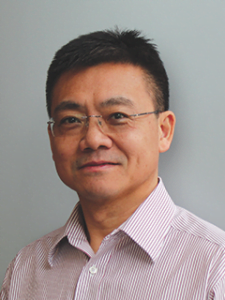 Dr. Long earned his doctorate in developmental biology from Tufts University, and completed postdoctoral training at Harvard University. He received a master’s degree in biochemistry and molecular biology from the University of California, Santa Barbara, and a bachelor’s degree in cell biology from Peking University. Dr. Long began his independent research at Washington University School of Medicine in St. Louis, and served there as Professor of Medicine, Developmental Biology and Orthopedic Surgery until 2018 when he was appointed William Wikoff Smith Endowed Chair in Pediatric Genomic Research at the Children’s Hospital of Philadelphia. He currently also serves as Professor of Orthopedic Surgery at University of Pennsylvania. Dr. Long served as program co-chair for American Society of Bone and Mineral Diseases, and chair for Gordon Conference on Bones and Teeth. He currently serves as consulting editor for Journal of Clinical Investigation and associate editor for PLoS Genetics.
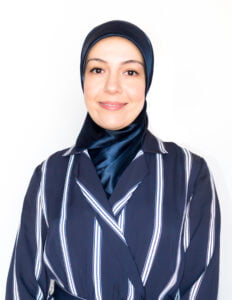 Dr Ayse Zengin is the Head of Bone and Muscle Research Group at Monash University. She completed her PhD in a joint project between the Bone Biology and Neuroscience programs at the Garvan Institute of Medical Research in Sydney,Australia in 2012, with Ass.Prof. Paul Baldock and Prof. John Eisman. Upon completion, Dr Zengin worked as a postdoc in the Endocrinology Department of the Ludwig Maximilians University in Munich (Germany) with Prof. Martin Bidlingmaier until December 2013. She then moved to Cambridge (UK) to work with Prof. Kate Ward at the MRC Human Nutrition Research Unit, University of Cambridge, where her work involved a longitudinal study in West Africans, and collaborated with the MRC Unit in The Gambia (Africa). Dr Zengin joined the School of Clinical Sciences at Monash Health as a Research Fellow in September 2016. Dr Zengin’s main research interests are investigating the muscle-bone relationship within the ageing population, imaging bone with advanced technology and the role of nutrition on skeletal health in older adults across ethnic and underserved populations.